The reason why several people are
injured at home or around it is the
lack of safety conditions, as in the
cases of electrical circuits overload,
damage of insulators, misuse of
extension cords and electrical
products in a way that may lead to
the possibility of fires or electrical
shocks, which takes the lives of
many people or cause them severe
damages.
Takes a few times to search for safety-
threatening electrical dangers, and
then work on avoiding it. You will not
bewastingyour time, but youwill rather
be working on preventing an electrical
accident that may threaten your safety
or the safety of your family members.
Electrical cords
•
Make sure electrical cords are
in good condition, not frayed or
cracked.
•
Make sure the cords are out of
thewaysoasnot toget trodden.
•
Do not use pins or nails in
riveting cords to the wall, the
baseboard or any other object.
•
Do not place cords under
carpets or furniture.
Outlets
•
If the plug does not easily fit into
theoutlet,never forceit,as itshould
always smoothly fit in the outlet.
•
Never remove thegroundpin– the
thirdprong–tomakeathree-prong
plug fit intoa two-conductor outlet.
This could lead to an electrical
shock.
Extension cords
•
Check to see that cords are not
overloaded.
•
Extension cords should only be
used on a temporary basis; they
are not intended as permanent
household wiring.
•
Use extension cords that have
safety closures to help protect
young children fromshock and
burn injuries.
Outlets
•
Check for outletswith loose-fitting
plugs, which can overheat and
lead to fire.
•
Replace any missing or broken
wall plates.
•
Make sure there are safety covers
onall unusedoutletsaccessible to
children.
•
Avoid electrical overload on
outlets.
Ground Fault Circuit
Inter rupters
•
GFCIs can help prevent
electrocution. They should be
used in any areawherewater and
electricity may come into contact,
like kitchens and bathrooms.
Water sources
•
Don’t leave appliances plugged in
where they might make contact
with water.
•
If a plugged-in appliance falls into
water, don’t reach in to pull it out,
even if it’s turned off. First turn off
thepower at thebreaker, and then
unplug the appliance.
•
If you have an appliance that has
gotten wet, don’t use it until it
has been checked by a qualified
repairperson.
Light bulbs
•
Makesure lightbulbsarescrewed
in securely, for a loose bulb may
overheat.
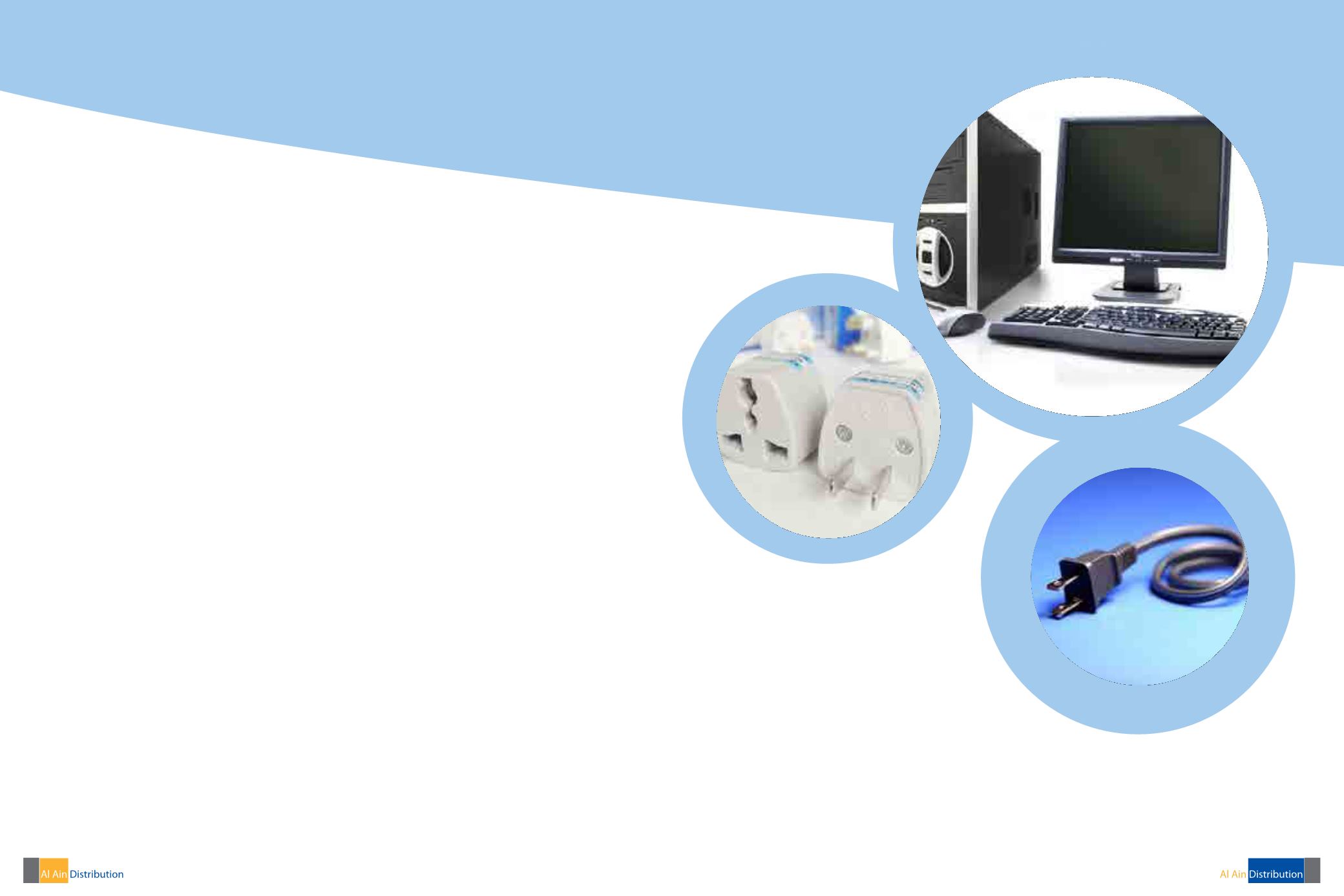
Entertainment/
Computer
Equipment
•
Make sure the equipment is in good
condition and working properly.
Look for cracksor damage inwiring,
plugs, and connectors.
StormyWeather
During stormy weather (with
potential electrical storm), you must:
•
Not use appliances such
as hairdryers, toasters, or
t e l e ph o n e s .
•
Not take a bath or shower.
Space heaters
•
Keep space heaters at least one
meter away from any combustible
material, such as bedding, clothing,
draperies, furniture, and rugs.
•
Don’t use it in rooms where children
areunsupervised.
•
Remember to turn off and unplug
when not in use.
Halogen Floor Lamps
•
Halogen floor lamps operate
at much higher temperatures than
standard incandescent light bulbs.
Never place a halogen floor lamp
where it could come in contact with
draperies, clothing, or combustible
materials. Turn the lamp off when
you leave the room for an extended
period of time, and never use in
children’s bedrooms or playrooms.
Halogen Floor Lamps
•
Keep a halogen floor lamp away
from draperies, clothing, or any
other combustible material.
•
Turn the lamp off when you
leave the room for an extended
period of time.
•
Never use high-temperature
producing lamps in children’s
bedrooms or playrooms.
This page has been prepared
by the Health and Safety,
Environment and Quality
Department in the company
Follow our instructions
and you shall be safe
63
62
Security,safety,environment&quality


